Excellent Senior Care Services: Attentive Support for Senior Loved Ones
Quality elderly care options serve as an vital role in supporting aging loved ones. They deliver tailored care plans that prioritize specific needs and cultivate strong relationships. This strategy not only improves health and dignity but also lessens isolation. Relatives often look for peace of mind that their loved ones receive compassionate care. As they examine the choices offered, several essential factors become view now significant. Understanding these can profoundly influence the decision-making journey.
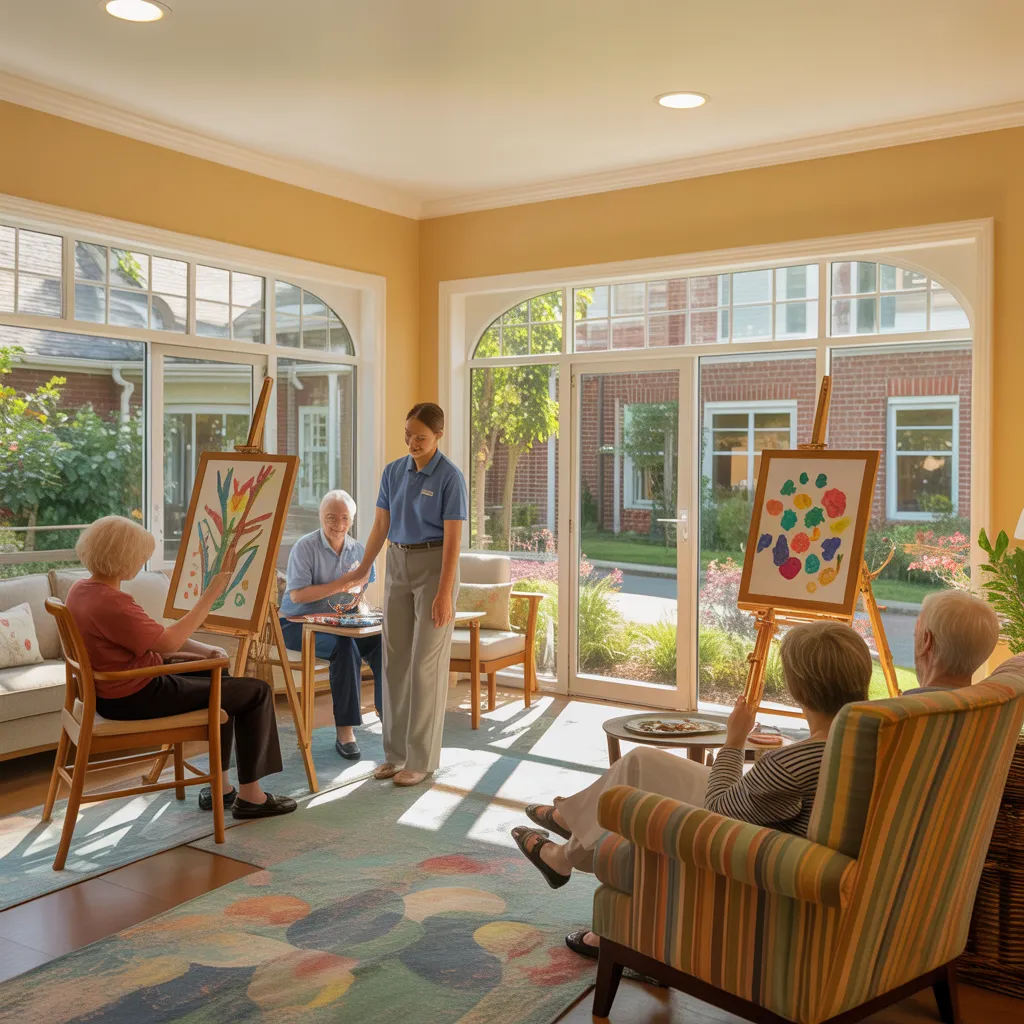
Why High-Quality Senior Care Is Important for Your Loved Ones
High-quality elderly care is important for making certain that elderly individuals retain their dignity, health, and overall well-being. As people age, they often experience physical and cognitive changes that can impair their independence. Access to quality care helps manage these challenges, providing support tailored to individual needs. This care not only assists with daily activities but also strengthens emotional connections, decreasing feelings of isolation and loneliness that many seniors face.
Furthermore, quality senior care improves health through consistent healthcare monitoring, prompt treatment, and customized health programs. Such settings encourage social engagement and cognitive engagement, contributing to a higher quality of life. Families can find peace of mind knowing their loved ones are getting caring assistance, which is vital during this delicate period. Putting resources toward quality senior care ultimately helps not just the seniors but also their families, reinforcing bonds and ensuring a supportive network.
Important Qualities to Identify in Senior Care Services
When choosing senior care options, important factors greatly affect the quality of care delivered. Personalized care plans guarantee that each person's specific requirements are fulfilled, while qualified care professionals and staff add to a safe and supportive setting. These vital components form the foundation for effective and empathetic senior care.
Custom Care Programs
Custom-made support plans are vital for making sure that seniors get tailored support that satisfies their unique requirements. These approaches should begin with a thorough assessment of the individual's physical health, interests, and lifestyle. Factors including medical history, community participation, and emotional well-being must be considered to create an effective plan. Responsiveness is critical; as seniors' needs progress, their care plans should be regularly reviewed and adjusted. Also, teamwork between loved ones and service providers enhances the plan's effectiveness, encouraging a holistic model. Opting for senior services that prioritize personalized support strategies secures that elderly loved ones receive the targeted attention they require, fostering dignity and life quality in their final years.
Trained Care Workers and Staff
Experienced health aides and staff play a critical role in delivering excellent senior care services. Their competence guarantees not only the safety and well-being of elderly individuals but also enriches their quality of life. It is essential to hire caregivers certified in first aid, CPR, and specialized elderly care techniques. Empathy, patience, and robust communication skills are equally important traits that foster trust and comfort for seniors. Additionally, ongoing training in evolving care practices enables staff to stay updated on best practices. The presence of a supportive team environment among caregivers is essential as it nurtures collaboration and consistent care. Ultimately, well-trained staff significantly contribute to a positive and nurturing atmosphere for aging loved ones.
What Approach Should You Use to Locate the Appropriate Senior Care Option for Your Family Member?
What approach can households take to ensure they choose the most appropriate elderly care service for their loved ones? To begin, they should assess the specific requirements of their loved ones, considering factors such as health conditions, physical capability, and individual choices. Researching different care options—ranging from in-home care to senior living communities—is vital. Families should emphasize facilities with well-trained staff, favorable feedback, and appropriate certification.
Evaluate prospective care services to determine the environment and observe connections between caregivers and individuals. Seeking answers to pointed questions concerning staff-to-resident ratios, emergency protocols, and available services can generate valuable insights. Likewise, next of kin should weigh the geographical position, as proximity can affect visiting frequency and resource accessibility.
Finally, planning care expenses is crucial; understanding costs and available financial assistance can help in making an informed choice. By adhering to this process, families can guarantee they find a senior care service that matches their loved one's unique needs and circumstances.
The Importance of Social Interaction in Elder Care
Companionship plays an vital role in improving the quality of life for seniors in care settings. Social connections notably impact psychological health, offering seniors with a feeling of community and direction. When individuals engage in purposeful interactions and engagements, they experience reduced feelings of loneliness and depression.
Moreover, companionship fosters cognitive stimulation, prompting seniors to exchange tales and recollections, which can enhance recall and mental abilities. Caregivers who offer companionship often assist seniors preserve their autonomy by motivating participation in pursuits that promote physical health and social interaction.
In addition, having a companion can ease the shift into care settings, making the environment feel more welcoming. This emotional assistance can be vital during challenging times, helping seniors navigate feelings of loss or change. Ultimately, social connection is not just a luxury; it is a fundamental component of integrated elderly care that nurtures both the mind and spirit.
Learning About Elderly Care Costs
Emotional support given through companionship in senior care environments is frequently linked with a substantial financial factor: the costs tied to senior care services. These expenses can differ greatly depending on factors such as the type of care required, location, and the level of service provided. In-home care, assisted living, and nursing homes have varying pricing models, where in-home care is usually less costly than institutional care.
Additionally, the expense may reflect the qualifications of caregivers, the complexity of care needed, and the facilities offered. Families must also consider hidden costs, such as travel and materials. Understanding these monetary factors is essential for families organizing long-term care for their loved ones. By gaining clarity on the potential expenses, families can make wise choices that align with their budget and care preferences, ensuring their family members receive the necessary assistance.
How to Check Senior Care Providers' Credentials?
When choosing a senior care service, it is essential to confirm their credentials to ensure quality service. This involves reviewing license verification, assessing their expertise and training, and confirming their insurance protection. Each of these factors adds to a thorough understanding of the provider's qualifications and dependability.
Review Licensing Obligations
Numerous households seeking elderly care solutions prioritize confirming the qualifications of potential care vendors. A vital element in this undertaking is checking the licensure criteria specific to the state or region. Each state has its own regulations controlling senior care facilities and in-home care providers, confirming they meet certain standards of care and safety. Families should consult their state's regulatory agency or health department to confirm that the facility holds the mandatory licenses and certifications. Additionally, it is essential to establish if there have been any grievances or disciplinary actions against the care professional. This due diligence allows families make informed choices, ensuring their loved ones access care from qualified and compliant professionals.
Evaluate Background and Education
After validating licensing requirements, families should concentrate on reviewing the expertise and preparation of senior care providers. It is important to inquire about the provider's credentials, including duration of work and specific areas of expertise. Families can seek references or reviews from previous clients to gain insights into the provider's reliability and level of service. Additionally, reviewing educational credentials and any advanced education, such as certifications in geriatric care, can further ensure that the provider is well-equipped to meet the distinct demands of seniors. Engaging in conversations about ongoing training or professional development can also demonstrate the provider's focus on keeping excellence in senior care. This thorough assessment helps families make educated decisions.
Review Insurance Coverage
How can households ensure that their selected senior care agency is adequately covered? Confirming insurance coverage is crucial in this process. Families should request proof of insurance from prospective providers to confirm they have sufficient liability coverage. This encompasses general liability and professional liability insurance, which safeguards against claims related to malpractice or malpractice. Additionally, families should confirm that the provider's insurance is current and not expired. It's advisable to ask for details regarding the policy limits and coverage specifics. Moreover, checking for any state licensing requirements can add another layer of security. By thoroughly verifying these credentials, families can reach well-reasoned choices and guarantee their aging loved ones get the care they deserve in a safe environment.
Enhancing Autonomy and Dignity in Senior Support
Supportive spaces that encourage mobility and usability are vital. Adjustments in living spaces, including grab bars and accessible pathways, can greatly boost protection while allowing seniors to preserve control over their surroundings. Moreover, cultivating interpersonal bonds through group programs can reduce solitude, even more strengthening dignity.
Preparing caregivers to treat seniors with regard and insight is essential. By recognizing the necessity of upholding autonomy, caregivers can help seniors navigate their daily lives with certainty. Ultimately, a caring and tailored approach to senior care can markedly enhance both independence and dignity for aging loved ones.
Often Submitted Questions
What Are the Signs Your Family Member Requires Senior Care?
Signs that a family member needs senior care include obvious forgetfulness, trouble performing everyday tasks, changes in behavior or mood, physical decline, and increased isolation. Observing such signs can prompt required assistance and action.
What Role Can Technology Play in Improving Senior Health Services?
Technology can enhance senior care programs by supporting remote surveillance, improving dialogue with healthcare providers, enabling availability to telemedicine, and supplying resources for drug management, thereby guaranteeing seniors obtain prompt and efficient care adapted to their requirements.
Which Categories of Pursuits Improve Mental Health in Seniors?
Engaging in activities such as puzzles, reading, gardening, and social interactions can significantly improve mental health in seniors. These activities stimulate cognitive function, promote emotional well-being, and foster connections, ultimately improving their overall quality of life.
Do Tailored Care Options Available for Seniors Suffering From Dementia?
Yes, dedicated care options for seniors with dementia encompass memory care facilities, customized treatment plans, and trained caregivers who provide structured activities, guaranteeing safety while enhancing mental stimulation and emotional well-being customized for individual needs.
How Can Households Support Senior Care Givers?
Families can support senior care providers by keeping open communication, providing assistance with arrangements, giving feedback, and demonstrating gratitude. This cooperative approach fosters a positive setting, enhancing quality of care for seniors in need.